

Swift casino login
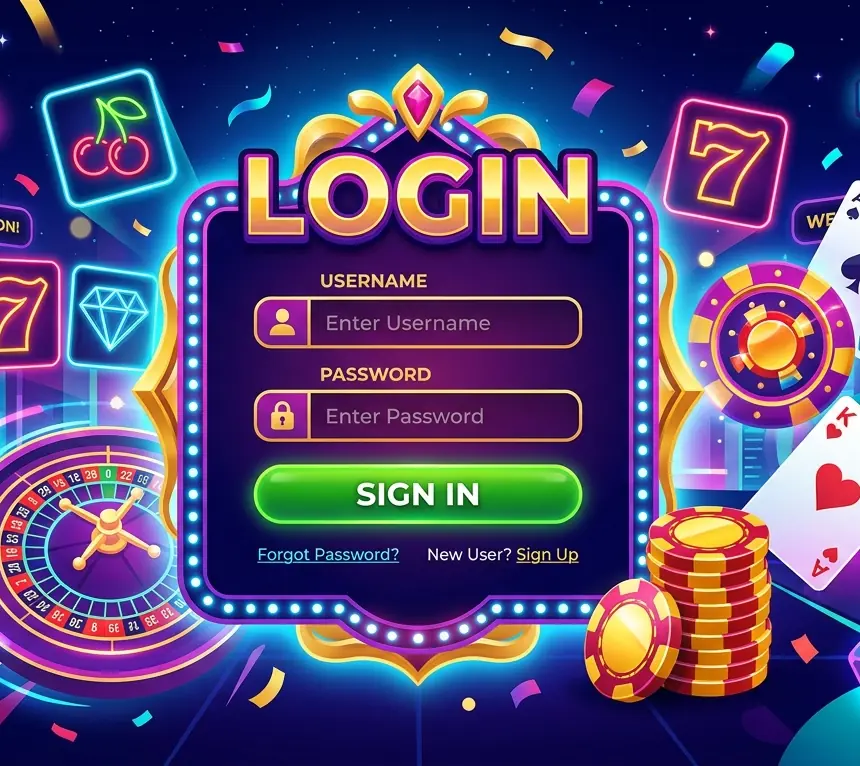
When I assess a casino login flow, I look at more than the location of the sign-in button. What matters in practice is how quickly a player can access the account, how clearly the site explains each step, what happens on mobile, and how the platform reacts when something goes wrong. In that sense, Swift casino login is best understood as a full user path: entering credentials, passing security checks if required, dealing with browser or region-related issues, and recovering access without unnecessary friction.
For players in New Zealand, this topic is especially practical. Access can depend not only on the correct password, but also on whether the current domain is working properly, whether the account has pending account verification review flags, and whether the user is trying to log in from a familiar device. Below, I break down how the login process is usually structured, what details really matter before authorisation, and where the weak points may appear.
How the Swift casino login process is usually structured
At its core, the login flow is standard: a player opens the website, clicks the login button, enters account details, and confirms access. But the real usability of Swift casino depends on how this sequence is presented.
In most cases, the platform keeps the sign-in form simple. The user is typically asked for an email address, username, or mobile-linked account identifier together with a password. Some sessions may also trigger an additional check, especially if the system notices a new IP address, a different device, or repeated failed attempts.
What I find important here is separation of actions. A good login page should not confuse sign in with best casino registration information for Swift Casino players, and it should not bury password recovery under promotional banners or account creation prompts. On Swift casino, the practical value of the login page depends on whether returning users can move directly to authorisation without distractions.
Usually, the process follows this order:
- Open the official site or current working mirror if access is affected by domain issues.
- Click Login or Sign In in the header.
- Enter the required credentials.
- Complete any extra confirmation if prompted.
- Wait for redirection to the account area or homepage in logged-in mode.
That sounds simple, but the quality of the experience depends on speed, error clarity, and session stability. If the site logs users out too aggressively or fails to explain why access is blocked, even a basic login form becomes frustrating.
Where the login button is usually located and how authorisation begins
On most modern casino sites, including Swift casino, the login button is usually placed in the upper-right area of the homepage and internal pages. This is the expected pattern, and it matters because returning players do not want to search for access points. On mobile, the same option is often moved into the top bar or navigation menu.
Authorisation normally begins with a pop-up form or a dedicated sign-in page. From a usability perspective, both approaches can work, but a pop-up is faster when it loads correctly. A separate page is often more stable if the site has heavy scripts, because fewer interface elements interfere with the process.
Before clicking login, I always advise checking three practical things:
- Make sure you are on the correct and current domain.
- Check that the connection is secure and the site loads without browser warnings.
- Confirm that your internet connection is stable, especially on mobile data.
Many login complaints are not caused by the account itself. They begin with a broken mirror, cached page version, expired session token, or a browser conflict that prevents the form from submitting properly.
What login methods may be available to users
The most common method is classic credential-based login. That means the player enters a registered email or username plus password. This remains the default because it is widely compatible across desktop and mobile browsers.
Depending on how the platform is configured, users may also encounter extra access options tied to security or convenience. These are not always permanent features for every account, but they can appear in some cases.
| Login method | How it works | Practical note |
|---|---|---|
| Email + password | User signs in with the email linked to the account | Usually the most predictable option |
| Username + password | Uses the account nickname or login ID | Useful if the site distinguishes display name and email |
| Phone-related verification | May involve a code sent by SMS or linked mobile confirmation | More secure, but depends on current phone access |
| Two-step confirmation | Extra code or email confirmation after credentials are entered | Improves safety, adds one more step |
I would not assume that every player will see all of these methods. In practice, Swift casino login is usually built around standard credentials first, with extra checks appearing only when the system detects risk or when account security settings require it.
What details are usually required for account access
For most users, the minimum data needed for Swift casino login is straightforward:
- registered email address or username;
- correct password;
- access to the linked email or phone if confirmation is triggered.
That said, the difference between “correct details” and “accepted details” can matter. Some players copy passwords with extra spaces, use an old email from a previous account setup, or try to log in through an outdated autofill entry saved by the browser. These small errors are common and often mistaken for platform problems.
If the account has been inactive for a long period, the system may also ask for renewed confirmation. That does not necessarily mean the account is blocked. It may simply mean the platform wants to verify that the returning user is legitimate.
How to log in from desktop and mobile
On desktop, the process is usually smoother because the full site layout is visible and the login form is easier to interact with. Password managers also work more reliably in desktop browsers, which reduces typing mistakes.
On mobile, the flow should in theory be just as simple, but in practice there are more variables. The keyboard can cover input fields, pop-up forms may load imperfectly, and mobile browsers often keep old cached versions of pages. This is why some users report that login works on desktop but fails on phone.
Here is how I would approach it on each device:
| Device | Recommended approach | Common issue |
|---|---|---|
| Desktop | Use the main site, enter credentials manually if autofill seems wrong | Saved old password in browser |
| Mobile browser | Open the current site version, refresh once before login if the page looks broken | Cache conflicts or unresponsive pop-up |
| Tablet | Use landscape mode if the form is cramped | Layout overlap with virtual keyboard |
If Swift casino offers an app in some regions or through direct installation, the login experience may be more stable there. But if no app is officially available for New Zealand users, the mobile browser remains the main route, and that makes page optimisation especially important.
What to do if the account login is not working
When login fails, the first step is not to reset everything immediately. I usually recommend diagnosing the problem in a logical order, because many access issues are temporary or technical rather than account-related.
Start with the basics:
- Recheck the spelling of your email or username.
- Type the password manually instead of relying on autofill.
- Refresh the page or reopen the site in a new tab.
- Clear browser cache if the login form behaves strangely.
- Try a different browser or switch from mobile to desktop.
If the site loads but rejects valid details, the issue may be linked to security restrictions, a temporary account review, or a session conflict. If the site itself does not load normally, the problem may be domain-related rather than account-related. That distinction matters, because many players waste time changing passwords when the real issue is access to the website.
Access recovery and common reasons for login problems
Password recovery should be treated as a separate process from normal login, even though users often mix the two. If you genuinely forgot the password, use the recovery link and follow the reset instructions. If you still know the password but the site blocks access, recovery may not solve the real problem.
The most common causes of Swift casino login problems are usually these:
- incorrect password or outdated saved credentials;
- wrong domain or non-working mirror;
- temporary lock after repeated failed attempts;
- browser cache or cookie conflicts;
- security trigger caused by unusual location or device;
- account review connected to identity or payment checks.
If the reset email does not arrive, I would check spam folders first, then confirm that the email entered matches the one originally used on the account. If there is still no message, support may need to verify ownership manually. This is where the quality of customer support becomes part of the login experience, even though it sits outside the sign-in form itself.
Is identity, email, phone, or extra confirmation required?
For ordinary login, full identity verification is not usually required every time. A player generally signs in with credentials and proceeds normally. However, additional confirmation can appear in specific cases: logging in from a new device, returning after a long break, triggering internal security checks, or trying to access an account that has pending compliance issues.
Email confirmation is the most common extra layer. Phone confirmation may appear if the account has a verified number attached or if two-factor style checks are used. Full identity verification is usually more relevant to withdrawals and account review than to routine login, but it can still affect access if the account is restricted until documents are submitted.
That is why I see login and verification as connected but not identical. A player may know the correct password and still face limited access because the account status has changed behind the scenes.
How convenient and clear Swift casino login is in practice
In practical terms, the convenience of Swift casino login depends on whether the platform keeps the process short without becoming vague. A good sign-in flow should be easy for regular users, but still provide enough feedback when something fails.
The strongest version of this experience includes:
- a clearly visible login button;
- a lightweight form that loads quickly;
- clear error messages instead of generic “something went wrong” notices;
- stable session handling after successful sign-in;
- simple password recovery from the same interface.
Where many casino sites lose points is not the first login step, but what follows after an error. If Swift casino explains whether the problem is a wrong password, a blocked session, or a verification hold, the process feels transparent. If it does not, users are left guessing, and trust drops quickly.
Limitations, weak spots, and issues worth considering
No login system is perfect, and I would not describe this one as universally frictionless. The main limitations usually appear in edge cases rather than in the ideal scenario.
One weak point can be domain dependence. If access relies on a current mirror or updated address, returning users may think the account is unavailable when the real issue is that they are using an outdated link. Another issue is mobile inconsistency: some sign-in forms work well on one browser and poorly on another.
I also pay attention to how the site handles repeated login attempts. Strong security is good, but if temporary locks happen too quickly and the warning messages are unclear, legitimate users can be punished for minor mistakes. The same applies to extra confirmation requests: they improve safety, but they become inconvenient if triggered too often.
For New Zealand players, one more practical point is regional accessibility. If the platform changes domains or routing, login reliability may vary depending on the network, browser settings, or local filtering conditions. Those comparing loyalty perks can weigh this section against Swift Casino legality practical player guide.
Tips for players before signing in
Before using Swift casino login, I recommend a few simple checks that save time and reduce unnecessary support requests.
- Bookmark the current official site once you confirm it works.
- Use a strong password and avoid relying entirely on browser autofill.
- Keep access to your registered email and phone active.
- Do not attempt too many password guesses in a row.
- Try a clean browser session if the form behaves oddly.
- Read any on-screen error text carefully before resetting credentials.
These are basic habits, but they matter. Most login friction begins with small avoidable issues: old bookmarks, mistyped credentials, stale cache, or no access to the email used during account setup.
Final verdict
My overall view is that Swift casino login should feel familiar to most users because it follows a standard sign-in structure, and that is a strength. The process is easy to understand when the site is loading correctly, the credentials are accurate, and no additional security flags are involved.
At the same time, the real test is how well the platform handles exceptions. Login convenience is not just about entering a password; it is about clear recovery options, sensible security checks, mobile stability, and transparent error handling. If those elements are implemented well, the sign-in experience is solid. If not, even a simple login form can become a barrier.
For players in New Zealand, I would rate the usability of Swift casino login as potentially straightforward, but with the usual caveat: always verify the domain, keep your recovery channels active, and be prepared for occasional extra checks if the system detects unusual activity. That is the difference between a merely visible login button and a genuinely workable account access process. When the support team feels slow, coupons guide for Swift Casino accounts explains the fastest ways to reach them.
FAQ
How does casino login on Swift work with email or username?
At sign in, enter the exact email address or the username used during registration, then submit your password. If both fields are filled correctly, the account dashboard opens right away.
What should be checked if the password is accepted but the account does not open?
Verify that the login identifier matches the registration details, including letter casing in the username if applicable. Check that the account is not locked due to repeated wrong attempts. Logging out and clearing the browser cache can help when the page shows stale session data.
The sign-in page shows an error after confirming an email link. What does it mean?
An email confirmation link activates account access, but it does not replace a missing or incorrect password. Return to the login form and sign in again using the same email address that received the verification message.
When switching devices, what happens to the current session on the log in screen?
Logging in from a new device starts a new session, while the old session may remain active depending on the device settings. For security, the site may ask for verification again, especially after long periods of inactivity.
What is the fastest safe step when the account is new and sign-in succeeds but payments do not?
Check the verification status in the account area and complete any remaining checks. After that, return to the cashier to try the payment method again.
Why might Swift request additional verification even after previous login?
Security checks can be triggered by unusual activity or changes in login conditions. A fresh check may be required to protect the account.
Are there withdrawal limits that could block a withdrawal after login, even when the cashier is accessible?
Withdrawal rules and limits depend on account status and payment method. If a withdrawal request is rejected, the reason is usually shown in the cashier with guidance on what needs adjustment.
How does mirror access work if the main site is temporarily unavailable during login?
Mirror access provides an alternative working link when the primary domain is experiencing issues. Use the current working mirror shown by the site or support to continue account login safely.
What is the difference between logging in on the log in page and entering a promo code after registration?
Login creates secure account access so the cashier and profile features load correctly. Promo code entry is separate and applies to eligible offers after the account is active; it does not replace verification or password access.
Mobile-first scenario: the password works on the phone, but the account opens on a desktop in a limited state. What should be tried?
Confirm the same email or username is used on both devices, then sign out and sign in again. Clear the desktop browser cache to remove outdated session data, and check whether verification status shows any pending step. If the issue continues, contact support and include the device type and time of the failed login so the account can be checked for security flags.